I had access to Suno Studio before, but hardly used it. With a licensed DAW already at my disposal, I saw little reason for another, more limited studio environment. Generating material in Suno and continuing the work in my main DAW seemed more logical.
But today I tried Suno Studio 2.0 — and the situation looks very different.
The key innovation is not simply more tools. Studio introduces a different way of interacting with sound.
Our first experiment was generating a custom audio plugin from a text description. Instead of specifying effects or processors, I described the result: deeper, wider, more organic sound, preserved transients, and slow spatial movement without obvious chorus, delay, or reverb.
Studio interpreted the request and created Organic Width, a plugin with adjustable controls for depth, warmth, width, spatial movement, transient handling, and Dry/Wet Mix.
A new workflow emerges: instead of searching for the right plugin, I can describe the processing tool I need and ask the system to create it.
The second experiment went further. We took a finished track and asked Studio to add 8 bars of khomus-inspired rhythmic texture following its tempo, harmony, and groove without disrupting the arrangement.
Studio generated two alternatives, interpreted the khomus as a jaw harp, and inserted them into the composition for preview. I could audition both before deciding whether to use either.
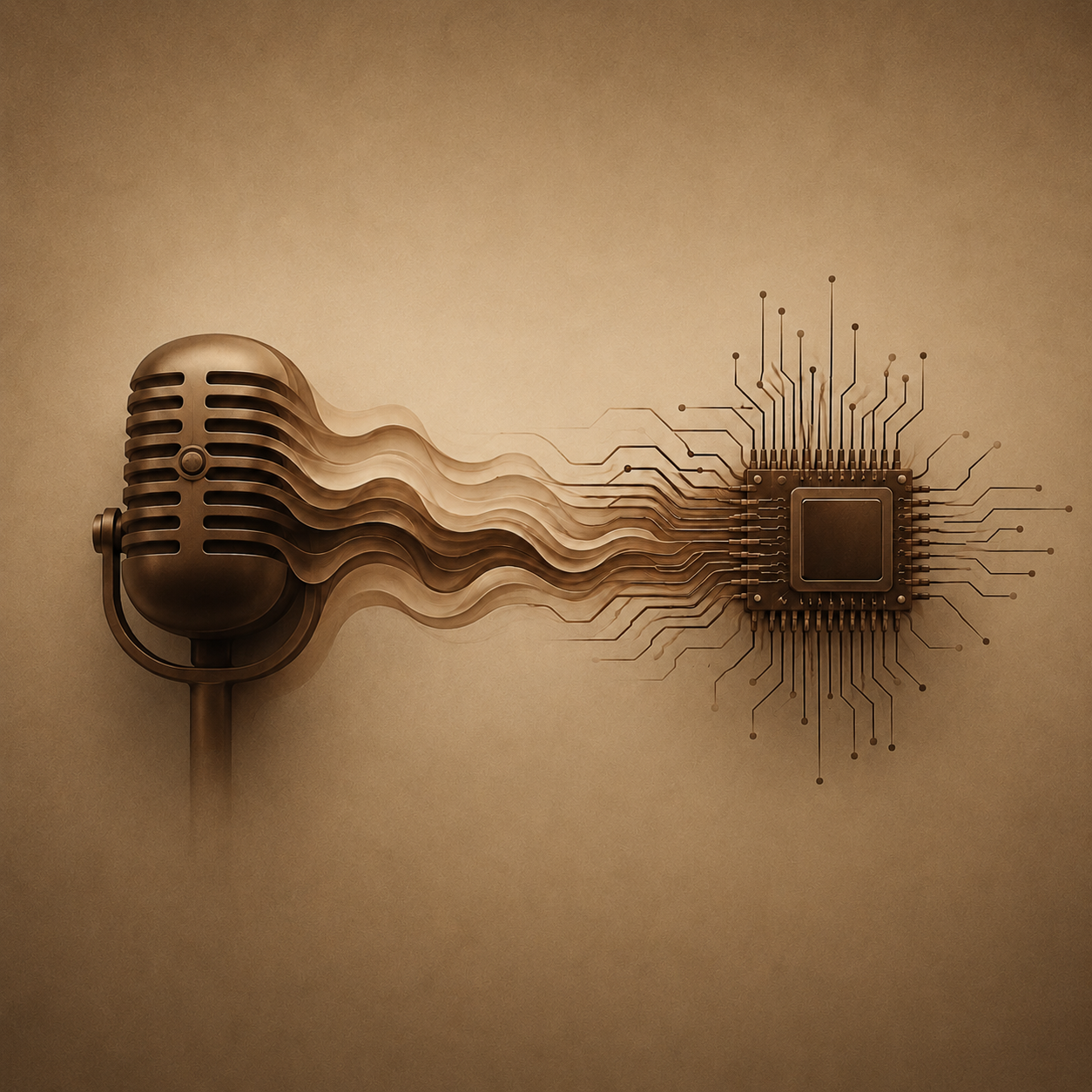
This reveals the fundamental difference between a conventional DAW and what Suno Studio is becoming.
A traditional DAW says: “Here are the tools. Make it.”
Studio 2.0 increasingly lets you say: “Here is the musical context and what I want. Suggest a solution, and I’ll decide whether it works.”
I’m not abandoning my main DAW. For final mixing, precise processing, and mastering, a professional environment remains more predictable — especially while some Studio 2.0 features are still in Beta.
But I finally see why I need Suno Studio alongside it: not as a replacement, but as a generative laboratory capable not only of creating music, but of intervening in its internal architecture.
And that is a different kind of step forward.
Main screenNow showing
Central project stage
Clips, music films, musicals, trailers, premieres, and new Centroflight broadcasts.

)